
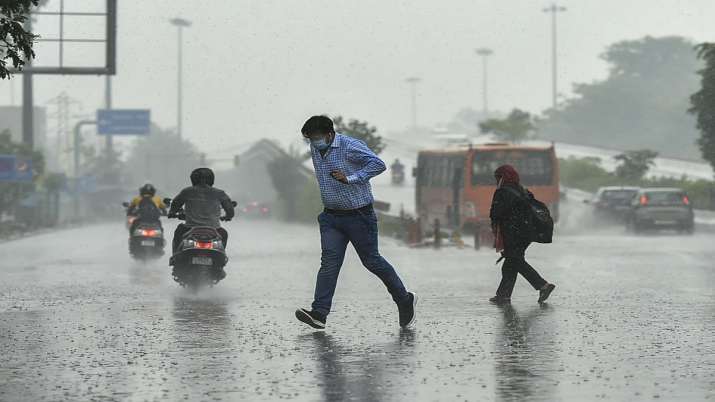
How To Ride An Electric Bike During Monsoon?
While electric bikes are water-resistant, they are not waterproof. Any prolonged exposure should be avoided.
Use Fenders
Fenders can prevent the body of your electric bike from getting dirty with mud. While this isn’t a sure solution for preventing any damage, it sure reduces the chances of body rust by avoiding dirt to get on the electric bike.
Battery Care
Avoid charging the battery during power fluctuations because of thunder or excessive rain. This may permanently damage the battery. While the battery is safely sealed inside the electric bike body, it is important not to drive through puddles and potholes filled with water.
Wash your Electric Bike
While it is normal to take electric bikes out in the rain, it is important to clean the body dry afterward. Leaving rainwater and mud unattended on the bike can cause rust. It is essential to wash your electric bike once and then clean it properly to avoid damaging the body or the battery.
Though electric bikes are efficient when it comes to driving in all weather, one should avoid riding electric bikes in excessive rain. Not only the battery is at risk, but it can also be bad for the body of the bike.
Do not drive at high speed; try to keep your distance from other vehicles to avoid water splash on your electric bike. Different bikes come with waterproofing standards and research properly about the weather conditions in your area before deciding which electric bike to buy.
With such precautions taken, there is absolutely no risk of driving electric bikes in the monsoon.
Conclusions
More and more people are willing to buy electric scooters to help build a cleaner and greener environment. Even the government is promoting the sale and use of electric scooters. Due to their low maintenance, no carbon footprint and efficient performance electric scooters will in the coming years be in extreme demand. For example, electric vehicles like XGT-CLASSIC Smart Scooters are more and more in demand.
As the demand will increase better models will come along that will perform better in monsoon conditions. Despite the water-resistant nature, people are scared to ride electric bikes in the rainy season. A few precautionary measures will ensure that your electric bike is safe and ready for another spin.