
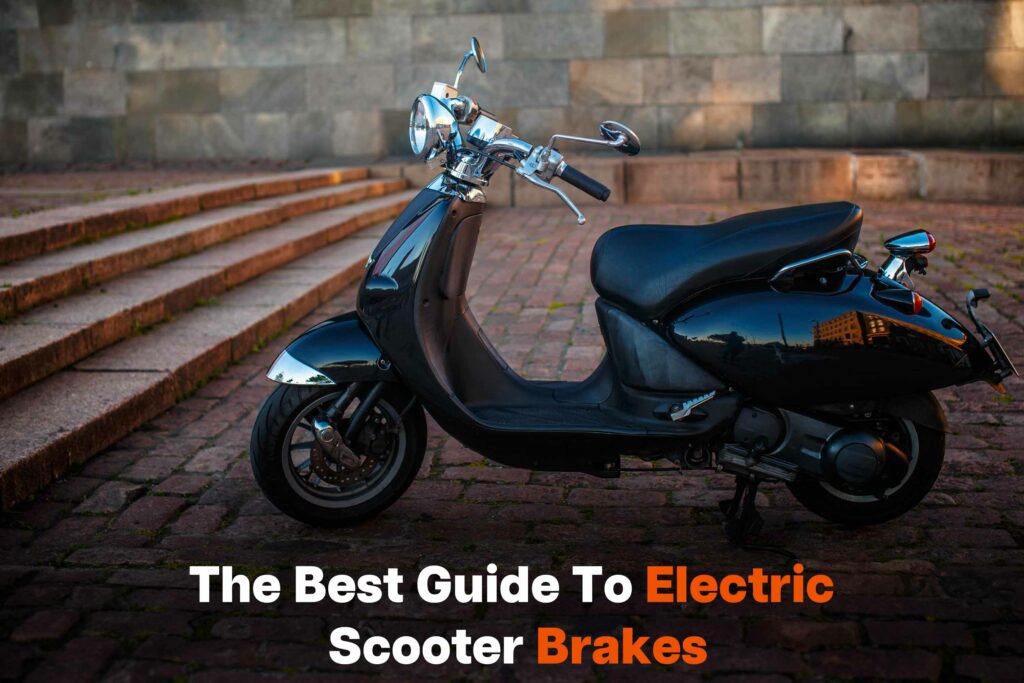
When it comes to electric scooter brakes, it is essential to know their importance as they ensure your safety and increase the ride quality of your electric scooter. By understanding how the electric scooter brakes work you could enhance your riding experience significantly. We shall look into the different aspects of electric scooter brakes along with their maintenance, mechanism, and a lot more.
How Do Electric Scooter Brakes Work?
Electric scooters primarily use two types of braking systems:
Disc Brakes and Drum Brakes.
Drum Brakes:
Drum brakes are a common choice for electric scooters as they are typically more affordable.
Read Also: Exploring the Cost of Electric Scooters
Disc Brakes:
Disc brakes are widely used in electric scooters for their exceptional braking performance and stopping power. They function by squeezing a rotating disc, connected to the wheel, between two brake pads. This force of friction helps slow down the scooter with its superior brake responsiveness.
What Are the Other Types of Braking Systems Used in an Electric Scooter?
Electric scooter brakes are varied and each of them has its advantages.
Regenerative Braking: A Sustainable Choice
Regenerative braking is an amazing technology when it comes to Electric Scooter Brakes. It turns kinetic energy into electric energy used to charge the electric scooter’s battery.
This unique approach not only adds value to brake efficiency but also adds to contributing towards sustainable riding.
Anti-lock Brakes: Enhanced Safety
Anti-lock brakes (ABS) offer enhanced safety by preventing wheel lock-up during emergency stops. This helps your electric scooter to remain stable and under your control while you break suddenly, helping you reduce the risk of accidents.
Hydraulic Brakes: Braking Reliability
Hydraulic brakes use hydraulic fluid to transfer the force applied on the brake lever to the brake pads.
Which Is the Best Type of Brake in an Electric Scooter?
Selecting the best Electric Scooter Braking system for your scooter depends on your specific needs. Disc brakes are a great option if stopping power and performance are your top priorities. Drum brakes are a dependable choice for people seeking increased safety.
If sustainability is your goal, regenerative braking is the way to go, while anti-lock brakes and hydraulic brakes offer additional safety and control.

What Is the Mechanism Behind Regenerative Braking System in an Electric Scooter?
Electric Scooters with regenerative braking, is a wonderful feature that harnesses kinetic energy while braking. Through the use of a generator that doubles as a brake, this system serves to slow down the scooter while producing power, increasing the brake’s effectiveness and range.
How Often Do Brakes Need to Be Replaced in an Electric Scooter?
The replacement of your brakes depends on various factors such as
- Your riding habits
- The types of brakes you use.
Regular maintenance of Electric Scooter Brakes improves your scooter’s overall condition. Generally, drum brakes may require more frequent maintenance due to their exposure to external elements, while disc brakes are known for their durability.
Maintaining and inspecting your braking components regularly is highly important to ensure the safety and effectiveness of your electric scooter. Regular maintenance will not only keep your electric scooter running smoothly but also extend the life of your braking system.